



DNA/RNA Synthesis
RNA synthesis, which is also called DNA transcription, is a highly selective process. Transcription by RNA polymerase II extends beyond RNA synthesis, towards a more active role in mRNA maturation, surveillance and export to the cytoplasm.
Single-strand breaks are repaired by DNA ligase using the complementary strand of the double helix as a template, with DNA ligase creating the final phosphodiester bond to fully repair the DNA.DNA ligases discriminate against substrates containing RNA strands or mismatched base pairs at positions near the ends of the nickedDNA. Bleomycin (BLM) exerts its genotoxicity by generating free radicals, whichattack C-4′ in the deoxyribose backbone of DNA, leading to opening of the ribose ring and strand breakage; it is an S-independentradiomimetic agent that causes double-strand breaks in DNA.
First strand cDNA is synthesized using random hexamer primers and M-MuLV Reverse Transcriptase (RNase H). Second strand cDNA synthesis is subsequently performed using DNA Polymerase I and RNase H. The remaining overhangs are converted into blunt ends using exonuclease/polymerase activity. After adenylation of the 3′ ends of DNA fragments, NEBNext Adaptor with hairpin loop structure is ligated to prepare the samples for hybridization. Cell cycle and DNA replication are the top two pathways regulated by BET bromodomain inhibition. Cycloheximide blocks the translation of mRNA to protein.
DNA/RNA Synthesis Isoform Specific Products
All Product Categories
-
DNA/RNA Synthesis Inhibitors
(1445)
View all products
-
DNA/RNA Synthesis Agonists
(11)
View all products
-
DNA/RNA Synthesis Antagonists
(2)
View all products
-
DNA/RNA Synthesis Activators
(52)
View all products
-
DNA/RNA Synthesis Modulators
(34)
View all products
-
DNA/RNA Synthesis Chemicals
(20)
View all products
-
DNA/RNA Synthesis Inducers
(15)
View all products
-
DNA/RNA Synthesis Degraders
(5)
View all products
-
DNA/RNA Synthesis Controls
(5)
View all products
-
DNA/RNA Synthesis Substrates
(6)
View all products
-
DNA/RNA Synthesis Ligands
(5)
View all products
-
DNA/RNA Synthesis Related Products (2892)
Related Products (2892)

-
Antibodies (248)
-
DNA/RNA Synthesis Isoform Comparison
-
Hydroxyurea (Standard)
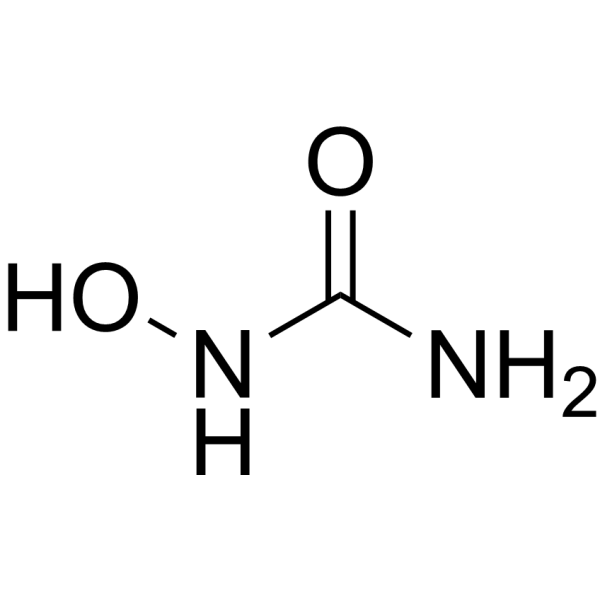 0 ImagesHydroxyurea (Standard) is the analytical standard of Hydroxyurea. This product is intended for research and analytical applications. Hydroxyurea is a cell apoptosis inducer that inhibit DNA synthesis through inhibition of ribonucleotide reductase. Hydroxyurea shows anti-orthopoxvirus activity.
-
Lasiokaurin
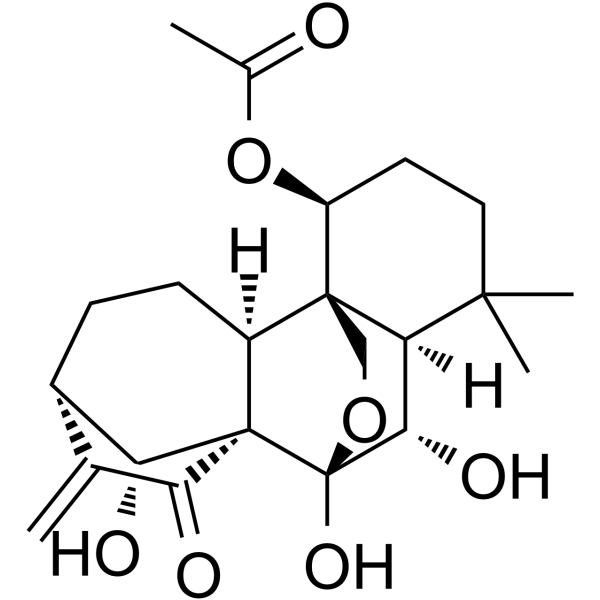 0 ImagesLasiokaurin is an anticancer agent. Lasiokaurin can be isolated from Rabdosia rubescens (Hemsl.) H. Hara. Lasiokaurin inhibits the function of the PDPK1-AKT axis, with a Kd value of 75.93 μM for PDPK1. Lasiokaurin inhibits mTOR, STAT3, MAPK and NF-κB. Lasiokaurin reduces the mRNA and protein expression levels of PLK1. Lasiokaurin decreases DNA synthesis levels, induces cell Apoptosis, and regulates Autophagy processes. Lasiokaurin inhibits tumor growth in xenograft models. Lasiokaurin can be used in research related to nasopharyngeal carcinoma, triple-negative breast cancer.
-
ddATP trisodium solution (100 mM)
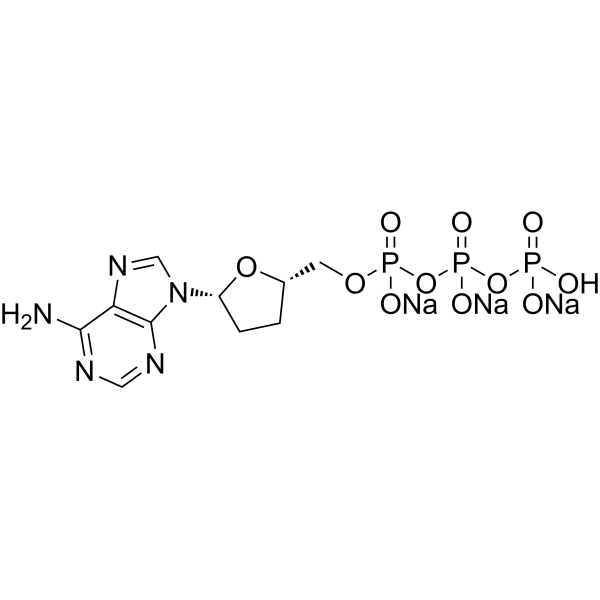 0 ImagesSynonyms: 2',3'-Dideoxyadenosine 5'-triphosphate trisodiumddATP (2',3'-Dideoxyadenosine 5'-triphosphate) trisodium, an active metabolite of 2',3'-dideoxyinosine, is a chain-elongating inhibitor of DNA polymerase. ddATP trisodium can be used for Sanger method for DNA sequencing and research of virus infection.
-
Ganciclovir triphosphate disodium solution (100 mM ± 3 mM)
 0 ImagesCat. No.: HY-131605BPurity: 98.65%Synonyms: GCV-TP disodiumGanciclovir triphosphate disodium solution (100 mM ± 3 mM) (GCV-TP disodium) is a competitive DNA polymerase inhibitor and a metabolite of Ganciclovir (HY-13637). Ganciclovir triphosphate disodium solution (100 mM ± 3 mM) can replace Guanine-5'-triphosphate to terminate DNA chain extension, and mimics dGTP (HY-138616) to compete with mammalian DNA polymerases. Ganciclovir triphosphate disodium solution (100 mM ± 3 mM) can be used in research related to HSV infection, retinoblastoma, glioblastoma and colorectal cancer.
-
Resveratrol-d4
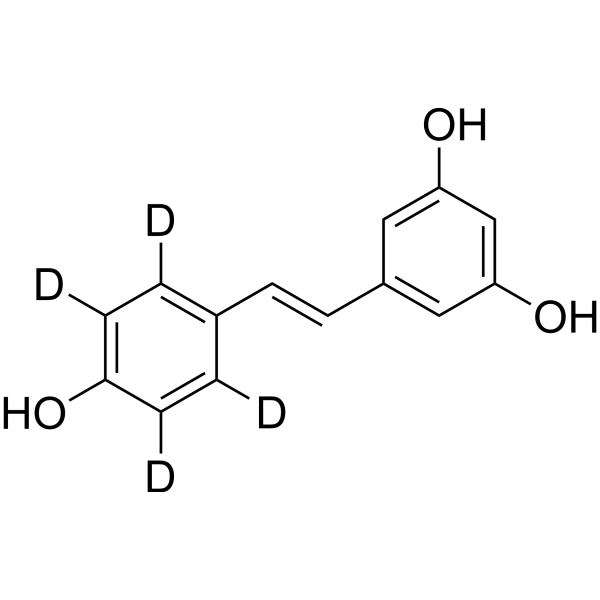 0 ImagesSynonyms: trans-Resveratrol-d4; SRT501-d4Resveratrol-d4 is the deuterium labeled Resveratrol. Resveratrol (trans-Resveratrol; SRT501), a natural polyphenolic phytoalexin that possesses anti-oxidant, anti-inflammatory, cardioprotective, and anti-cancer properties. Resveratrol (SRT 501) has a wide spectrum of targets including mTOR, JAK, β-amyloid, Adenylyl cyclase, IKKβ, DNA polymerase. Resveratrol also is a specific SIRT1 activator. Resveratrol is a potent pregnane X receptor (PXR) inhibitor. Resveratrol is an Nrf2 activator, ameliorates aging-related progressive renal injury in mice model. Resveratrol increases production of NO in endothelial cells.
-
LL-K12-18
 0 ImagesLL-K12-18 is a CDK12 kinase inhibitor and a dual-site molecular glue. LL-K12-18 inhibits human CDK12 with an IC50 value of 283.9 nM, and selectively degrades cyclin K via the ubiquitin-proteasome system by stabilizing the CDK12-DDB1 complex. LL-K12-18 downregulates DNA damage response genes, reduces the phosphorylation level of CTD Ser2 in RNA polymerase II, and modulates biomarkers such as ATM, RAD51, γ-H2AX and cleaved PARP, thereby effectively inducing apoptosis and inhibiting proliferation of breast cancer cells. LL-K12-18 exhibits high target selectivity and serves as a research tool for studies on triple-negative breast cancer.
-
Bisdemethoxycucurmin
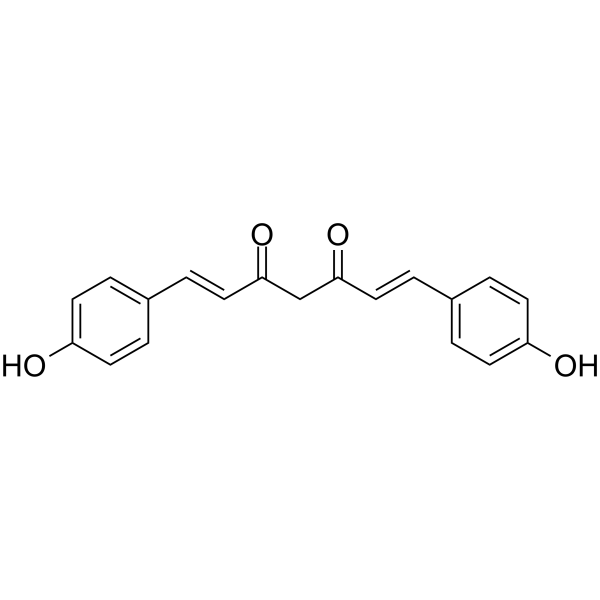 0 ImagesSynonyms: Curcumin III; DidemethoxycurcuminBisdemethoxycucurmin (Curcumin III) is a curcuminoid compound and an inhibitor of P-glycoprotein and ferroptosis. Bisdemethoxycucurmin exhibits multiple activities such as anti-oxidation, anti-inflammation and anti-tumor. Bisdemethoxycucurmin can be used for the research of tumors and inflammatory diseases.
-
T7 RNA polymerase
 0 ImagesT7 RNA polymerase is a polymerase expressed by Escherichia coli from the RNA polymerase gene of T7 bacteriophage. T7 RNA polymerase is highly specific and involved in in vitro transcription (IVT) of mRNA. In the presence of Mg2+, T7 RNA polymerase only uses the single-stranded or double-stranded DNA containing the T7 promoter sequence as a template, and uses NTP as a substrate to synthesize RNA complementary to the single-stranded DNA downstream of the promoter.
-
ddCTP trisodium solution (100 mM)
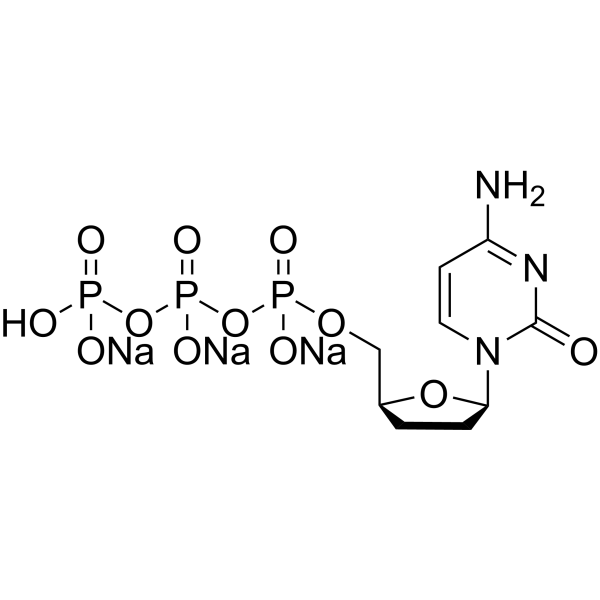 0 ImagesCat. No.: HY-137697DPurity: 98.03%ddCTP trilithium solution (100 mM) is a chain-terminating dideoxynucleotide. ddCTP trilithium is a type of chain-terminating deoxynucleotide. ddCTP trilithium can be incorporated into the extension primer chain that lacks the 3'-hydroxyl group, thereby terminating primer extension, viral genome replication, and DNA synthesis. ddCTP trilithium can distinguish almost identical RNA through distinguishable extension products in primer extension inhibition experiments. ddCTP trilithium is the active metabolite of Zalcitabine (HY-17392), which can competitively inhibit HIV reverse transcriptase, terminate the synthesis of viral DNA chains, and thereby inhibit HIV replication.
-
Garenoxacin Mesylate hydrate
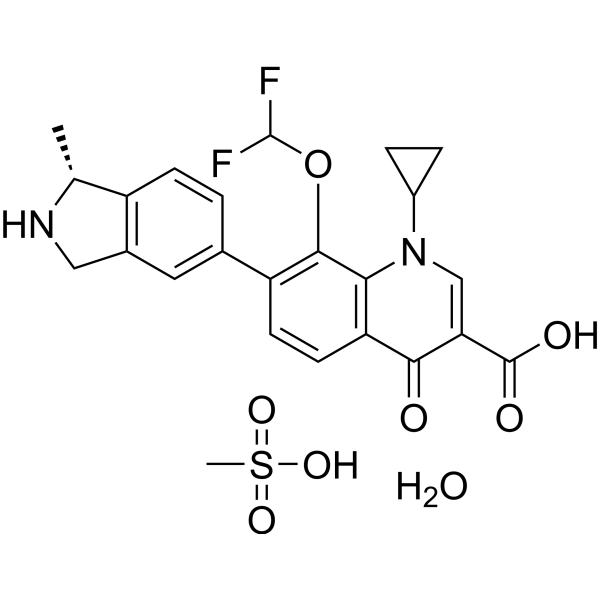 0 ImagesSynonyms: BMS284756 Mesylate hydrateGarenoxacin (BMS284756) Mesylate hydrate is an orally active quinolone antibiotic and has a broad spectrum of activity against a wide array of gram-positive and gram-negative bacteria, anaerobes, and fastidious organisms.
-
Lincomycin
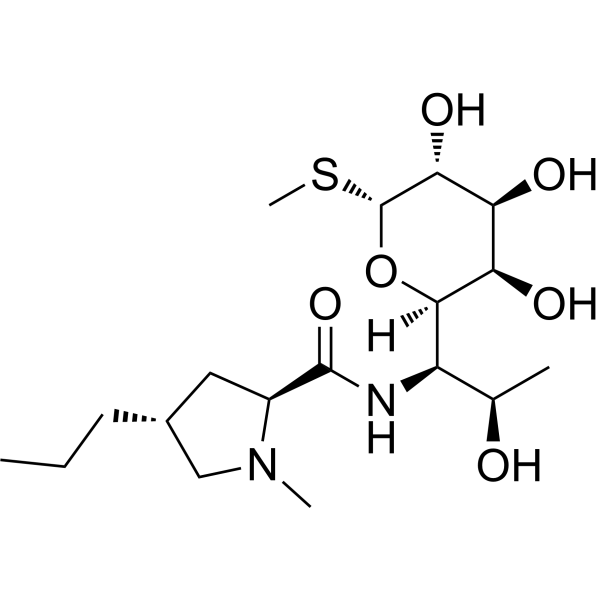 0 ImagesLincomycin (U-10149) is an orally active lincosamide antibiotic. Lincomycin binds to the ribosomes of Gram-positive bacteria to inhibit protein synthesis. Lincomycin can inhibit chloroplast translation, disrupt chloroplast integrity, and activate chloroplast-to-nucleus retrograde signaling in Arabidopsis thaliana seedlings. Lincomycin induces alterations in lipid profiles and liver injury, disrupts blood glucose and insulin levels, and increases growth rate in mice.
-
N6-Methyladenine
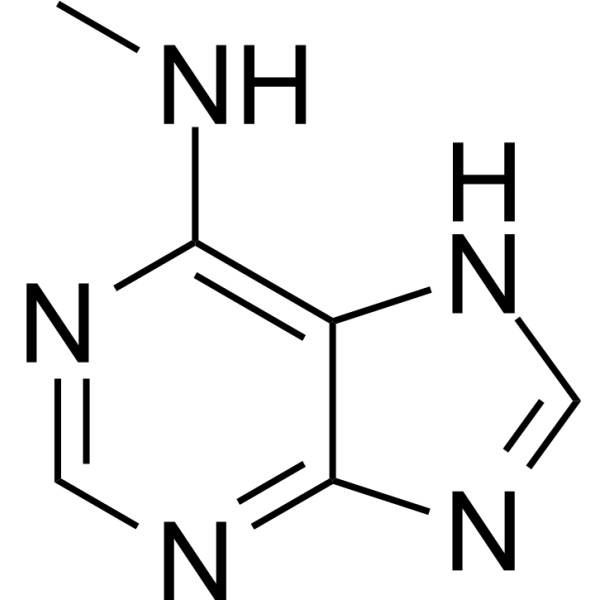 0 ImagesN6-Methyladenine is a DNA epigenetic modification that involves the addition of a methyl group to the sixth position of adenine. N6-Methyladenine plays an important role in distinguishing host DNA from exogenous DNA and controls many biological functions, such as DNA replication, transcription, mismatch repair, and chromosome replication. N6-Methyladenine can be used for the kidney diseases.
-
Guanine (Standard)
 0 ImagesGuanine (Standard) is the analytical standard of Guanine (HY-Y1055). This product is intended for research and analytical applications. Guanine is one of the fundamental components of nucleic acids (DNA and RNA). Guanine is a purine derivative, consisting of a fused pyrimidine-imidazole ring system with conjugated double bonds. Guanine has the potential to serve as a large-capacity N pool. Guanine has cytotoxic, antinociceptive and neuroprotective effects.
-
REV7/REV3L-IN-1
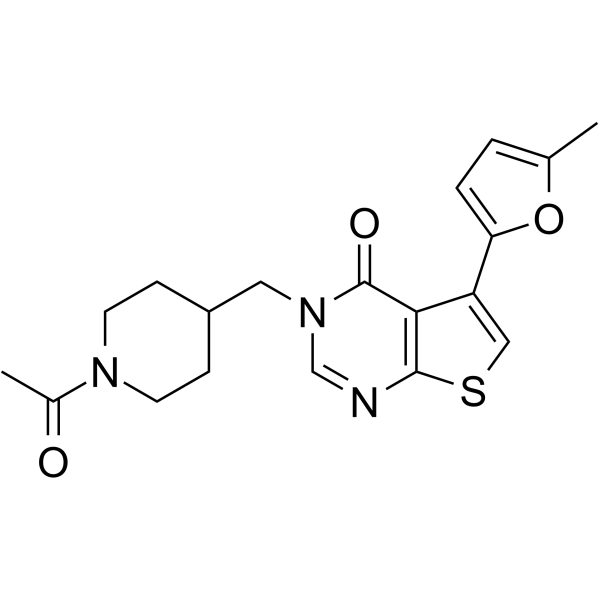 0 ImagesREV7/REV3L-IN-1 is a REV7/REV3L interaction inhibitor with an IC50 of 78 μM. REV7/REV3L-IN-1 binds directly to REV7 and inhibits its interaction with REV3L. REV7/REV3L-IN-1 inhibits interstrand crosslink repair in cells. REV7/REV3L-IN-1 chemosensitizes cancer cells to Cisplatin (HY-17394). REV7/REV3L-IN-1 can be used in cervical cancer research.
-
Guanine-15N5
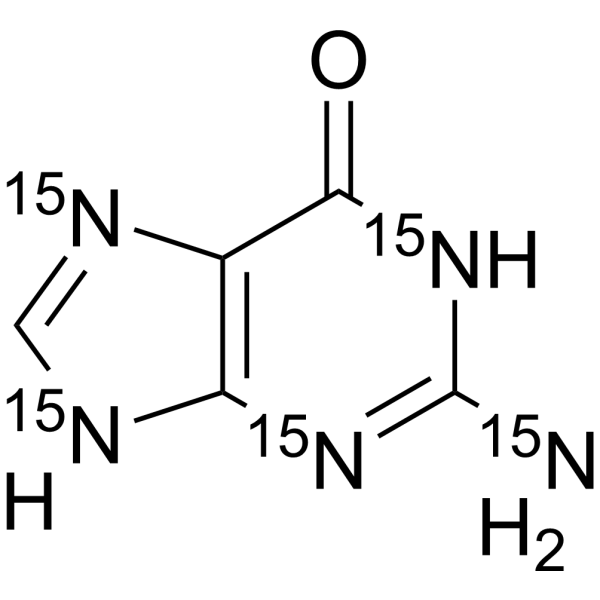 0 ImagesGuanine-15N5 is 15N labeled Guanine (HY-Y1055). Guanine is one of the fundamental components of nucleic acids (DNA and RNA). Guanine is a purine derivative, consisting of a fused pyrimidine-imidazole ring system with conjugated double bonds. Guanine has the potential to serve as a large-capacity N pool. Guanine has cytotoxic, antinociceptive and neuroprotective effects.
-
(-)-Enitociclib
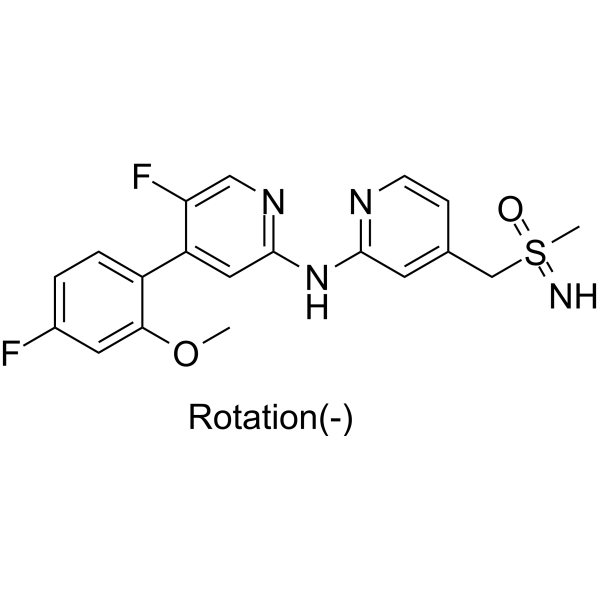 0 ImagesSynonyms: (R)-Enitociclib; (-)-BAY-1251152; (-)-VIP152(-)-Enitociclib ((R)-Enitociclib) is an enantiomer of Enitociclib (HY-103019E) with an optical rotation of (-). Enitociclib is a selective CDK9 inhibitor and apoptosis inducer. Enitociclib inhibits CDK9 activity and reduces the phosphorylation of Ser2 in the carboxyl-terminal domain (CTD) of RNA polymerase Pol II, thereby downregulating the transcription of key oncogenes such as MYC and MCL1. Enitociclib has anti-proliferative activity targeting MYC+ lymphoma and multiple myeloma (MM) cells, and has synergistic effects with Bortezomib (HY-10227) and Lenalidomide (HY-A0003), and can be used in the research of hematological malignancies.
-
R-1479
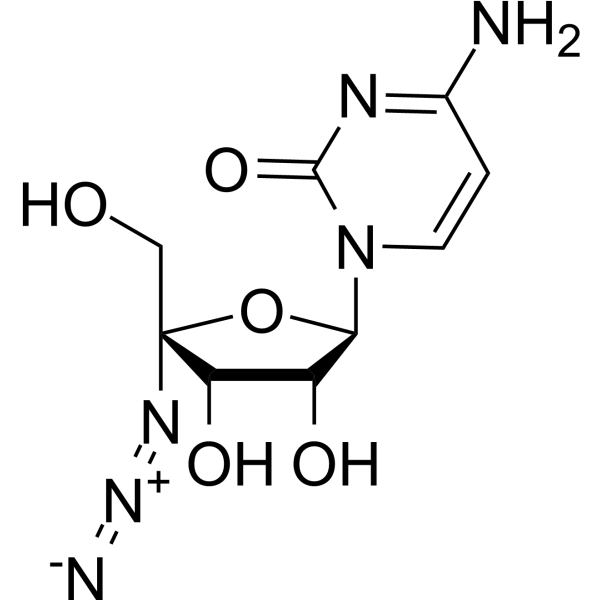 0 ImagesSynonyms: 4'-AzidocytidineR-1479 (4'-Azidocytidine), a nucleoside analogue, is a specific inhibitor of RNA-dependent RNA polymerase (RdRp) of HCV. R-1479 inhibits HCV replication in the HCV subgenomic replicon system (IC50=1.28 μM). R-1479 is a click chemistry reagent, it contains an Azide group and can undergo copper-catalyzed azide-alkyne cycloaddition reaction (CuAAc) with molecules containing Alkyne groups. It can also undergo strain-promoted alkyne-azide cycloaddition (SPAAC) reactions with molecules containing DBCO or BCN groups.
-
Ironomycin
 0 ImagesIronomycin is a derivative of Salinomycin (HY-15597). Ironomycin exhibits selective inhibitory activity against mantle cell lymphoma (MCL) cells. Ironomycin blocks the cell cycle and induces apoptosis and ferroptosis. Ironomycin induces double-strand DNA breaks and activates the unfolded protein response (UPR), particularly the IRE1α signaling pathway accumulation. The combination of Ironomycin with Ibrutinib (HY-10997) shows a synergistic effect. Ironomycin can be used for the study of MCL.
-
RNase A, Recombinant
 0 ImagesCat. No.: HY-129046DCAS No.: 9001-99-4Synonyms: Ribonuclease A, RecombinantRNase A (Bovine pancreatic RNase) is a widely used Endonuclease in DNA purification by specifically hydrolyzing cytosine or uracil residues of RNA. RNase A degrades the RNA in the RNA/DNA duplex. RNase A catalyses the breakdown of 3',5'-phosphodiester linkages of single stranded RNA. RNase A family members in organisms are tightly involved in various physiological and pathological processes including cell growth and development, proliferation, differentiation and migration. Dysregulation of RNase A activity or expression level is closely related to pancreatic, ovarian, bladder and thyroid cancer. RNase A has tumor cell-killing ability. RNase A, Recombinant (Ribonuclease A, Recombinant) is a recombinant form of RNase A.




